
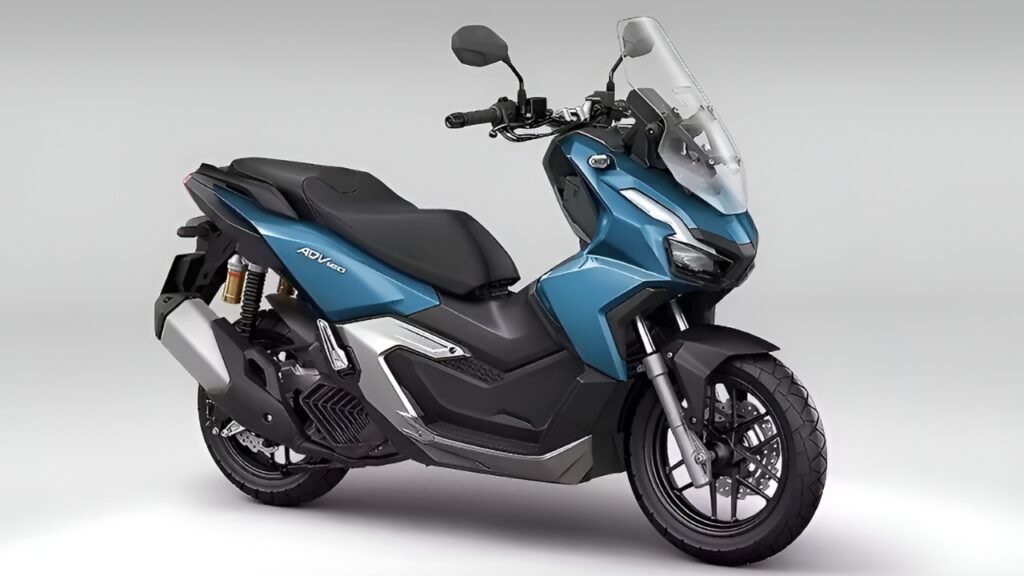
Honda’s New 65 KMPL Scooter Could Give the TVS Jupiter a Serious Mileage Challenge
Honda is preparing to attract attention in India’s highly competitive scooter market with a new mileage-focused offering that could appeal strongly to daily commuters. With an expected mileage figure of around 65 kmpl, the scooter is being positioned around one of the most important concerns for Indian two-wheeler buyers: keeping everyday running costs under control.
The TVS Jupiter has built a strong reputation among family scooter buyers because of its practical design, comfortable ride and efficient engine. However, a Honda scooter promising mileage around 65 kmpl could make the segment even more interesting. For riders who travel long distances every day, even a small improvement in fuel efficiency can make a noticeable difference over time.
What Makes 65 KMPL Such an Important Number
Mileage remains one of the biggest factors influencing scooter purchases in India. While styling, features and performance matter, many buyers ultimately want a scooter that can handle daily commuting without demanding frequent trips to the fuel station.
A claimed or expected figure of around 65 kmpl immediately puts the Honda scooter into the conversation with some of the most economical petrol scooters available. However, it is important to remember that real-world mileage can vary depending on traffic, riding habits, road conditions, load, tyre pressure and maintenance.
For city riders dealing with stop-and-go traffic every day, fuel efficiency can have a major effect on monthly expenses. That makes a mileage-focused Honda scooter particularly interesting for office commuters, students and families.
How Honda Could Challenge the TVS Jupiter
The TVS Jupiter has remained a familiar name in India’s scooter market by combining everyday practicality with a comfortable riding experience. Its appeal is not based purely on mileage. Buyers also look at storage space, seating comfort, reliability, features and ease of use.
Honda could approach the market with a similar formula while placing additional emphasis on fuel economy. If the new scooter delivers close to its expected 65 kmpl figure under suitable riding conditions, it could become an attractive alternative for buyers comparing efficient family scooters.
The competition, therefore, may not be about mileage alone. Honda will need to offer a balanced package that feels useful in everyday life while keeping ownership costs reasonable.
What Engine and Performance Could Buyers Expect
A scooter designed primarily for fuel efficiency is unlikely to focus on outright performance. Instead, the engine would be expected to provide smooth acceleration, predictable power delivery and strong efficiency during regular city riding.
Honda has extensive experience developing small-capacity engines for the Indian market. Its scooters are generally designed around simple usability, making them suitable for riders who want an uncomplicated commuting experience.
The final engine specifications, power output and torque figures will be important in determining how the scooter compares with established rivals. A highly efficient engine will be attractive, but buyers will also want enough performance for crowded city roads, flyovers and occasional highway stretches.
When Mileage Matters Most for Daily Riders
Mileage becomes particularly important when a scooter is used every day. Consider a commuter travelling several dozen kilometres regularly. Over a month, those kilometres can quickly add up, and the difference between two fuel-efficiency figures can translate into meaningful savings.
This is one reason scooters with strong mileage figures continue to attract Indian buyers despite the growing popularity of electric two-wheelers.
Petrol scooters also offer the convenience of quick refuelling and established fuel infrastructure. For customers who are not ready to move to an electric scooter, a fuel-efficient petrol model can provide a familiar ownership experience while helping reduce fuel expenditure.
How the New Honda Could Stand Out on Features
Mileage may be the headline attraction, but modern scooter buyers expect much more than fuel economy. Features such as LED lighting, digital instrumentation, smartphone connectivity, external fuel filling, USB charging and practical storage can influence the final purchase decision.
Honda could use a combination of useful technology and everyday convenience to give the new scooter a stronger identity.
The most important features, however, would need to remain easy to use. Family scooter buyers often prefer controls and functions that are straightforward rather than complicated. A well-designed dashboard, comfortable seat and useful under-seat storage could make a bigger difference to daily ownership than a long list of electronic features.
What Could Make It Attractive for Family Buyers
Indian scooters are often shared between multiple members of a family. One person may use the scooter for commuting, another for shopping, while children or other family members may ride as passengers.
That makes comfort and practicality particularly important.
A comfortable seat, stable handling and easy low-speed manoeuvrability could help the Honda scooter appeal to a broad range of riders. A manageable weight would also be useful when parking or moving the scooter around at home.
If Honda combines these qualities with strong fuel efficiency, the scooter could attract buyers looking for a dependable everyday machine rather than a performance-oriented two-wheeler.
How Real-World Mileage Could Differ From the Claim
A 65 kmpl figure naturally attracts attention, but buyers should always distinguish between claimed mileage and actual mileage. Manufacturer-tested efficiency figures are generated under specific testing conditions, while real-world riding involves traffic, acceleration, braking, road gradients and varying loads.
A rider travelling smoothly at moderate speeds may achieve considerably better efficiency than someone regularly riding through heavy traffic with frequent hard acceleration.
Tyre pressure and regular servicing also play a role. Keeping the engine properly maintained and riding smoothly can help a scooter deliver better fuel economy over its lifetime.
Therefore, the 65 kmpl figure should be viewed as an important efficiency target rather than a guarantee of what every rider will achieve.
What the TVS Jupiter Comparison Really Means
Comparing the Honda scooter with the TVS Jupiter makes sense because both target practical everyday riders. However, buyers should look beyond a single mileage number.
The Jupiter’s overall package includes its engine performance, comfort, storage, features, pricing and ownership experience. Honda’s upcoming scooter would have to compete across several of these areas if it wants to make a significant impact.
Pricing could become particularly important. If Honda manages to offer competitive fuel economy without pushing the scooter’s price too high, it could attract customers who carefully calculate the long-term cost of ownership.
When Buyers Should Watch for More Details
The most important information will become clearer once Honda officially announces the scooter and provides confirmed specifications. Until then, figures such as mileage, price, engine output, features and launch timing should be treated as expected or reported details rather than final specifications.
For potential buyers, waiting for official information can help avoid making a decision based on incomplete specifications.
The scooter market is changing rapidly, with manufacturers competing not only on efficiency but also on technology, comfort and ownership value. A new Honda model targeting around 65 kmpl would add another interesting option to this crowded segment.
How This Could Change the Commuter Scooter Battle
Honda’s focus on fuel efficiency could add fresh competition to a market where buyers already have numerous choices. The TVS Jupiter has established itself as a practical family scooter, but new products can encourage manufacturers to improve mileage, features and overall value.
For Indian commuters, that competition can mean more choices when it is time to replace an old scooter or purchase a first two-wheeler.
If Honda manages to combine strong real-world efficiency with comfortable ergonomics, useful features, dependable performance and sensible pricing, its new scooter could receive considerable attention from mileage-conscious buyers.
The 65 kmpl figure is certainly the headline, but the scooter’s success will ultimately depend on the complete package. For now, its expected efficiency makes it an interesting upcoming contender and gives buyers another reason to watch the next move in India’s fiercely competitive scooter market.
