
New 2026 Maruti Baleno vs Old Baleno: What Has Really Changed?
The Maruti Suzuki Baleno has been one of the most familiar names in India’s premium hatchback market. Over the years, it has built a strong reputation for its spacious cabin, comfortable ride, practical design and relatively affordable ownership. With the arrival of the new 2026 Maruti Baleno, attention is naturally turning toward one important question: how different is it from the older Baleno?
At first glance, the new model may look like a regular update, but there is more to the story. Maruti Suzuki has focused on giving the Baleno a fresher appearance, more modern technology and an improved cabin experience while retaining the qualities that made the previous-generation car popular. Here is a closer look at what has really changed.
Exterior Design Gets a Fresh Identity
The first thing most buyers will notice is the updated exterior styling. The old Baleno had a clean and mature design, with a wide front grille, swept-back headlamps and a flowing side profile. It looked premium without being overly aggressive.
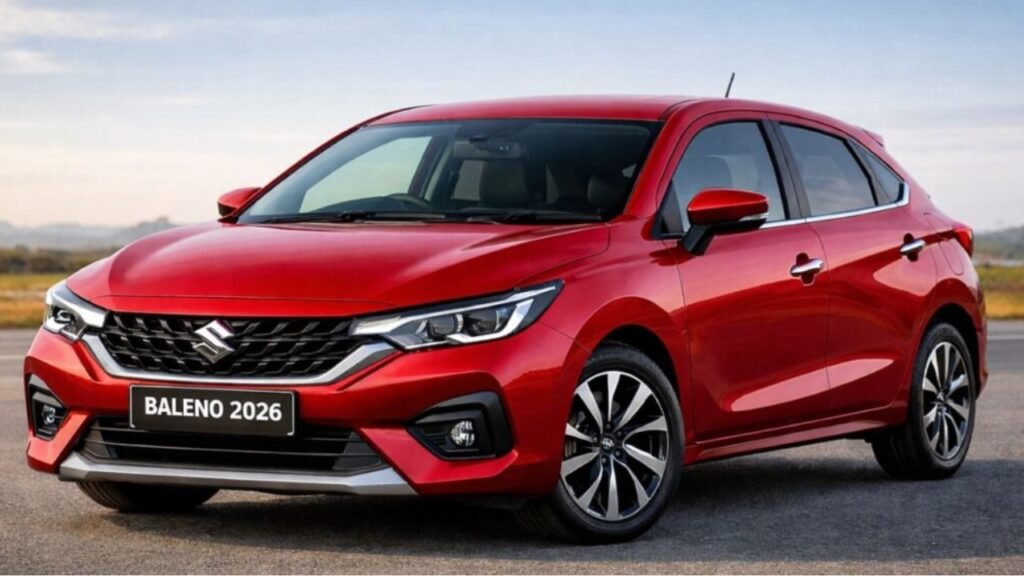
The 2026 Baleno takes that basic formula and gives it a more contemporary character. The front section is expected to receive sharper styling, redesigned lighting elements and a revised grille. The bumper treatment also gives the car a stronger road presence.
The side profile remains recognisable as a Baleno, which means Maruti has not completely abandoned the familiar shape. Instead, subtle changes to the wheels, detailing and body lines help make the newer version look more upmarket.
At the rear, revised lighting and bumper elements contribute to the fresher appearance. Overall, the new Baleno does not feel like a completely different car, but it does look more modern than the older version.
Interior Is More Technology-Focused
The cabin is where the difference between the old and new Baleno could become more noticeable.
The previous Baleno offered a practical dashboard layout with a reasonably spacious cabin and straightforward controls. It was not necessarily the most futuristic interior in the segment, but it worked well for everyday use.
The 2026 version moves toward a more contemporary cabin theme. A larger infotainment display, updated instrument interface and improved dashboard design give the interior a more modern feel. Depending on the variant, buyers can also expect more connected-car features and convenience technology.
The overall approach appears to be about improving the experience without making the dashboard unnecessarily complicated. That is important because Baleno buyers typically value everyday usability as much as flashy equipment.
More Features for Everyday Convenience
Feature upgrades have become extremely important in the premium hatchback segment. Buyers today expect their cars to offer more than basic air-conditioning, power windows and an infotainment system.
The new Baleno is expected to build on the older model with additional convenience and connectivity features. These may include an improved touchscreen system, smartphone connectivity, connected-car functions, upgraded audio controls and enhanced convenience features depending on the variant.
The older Baleno was already reasonably well equipped, but newer rivals have raised expectations. The 2026 model therefore needs to offer a more competitive technology package.
This is not simply about adding features to a brochure. The more important change is how these features are integrated into the overall driving and ownership experience.
Safety Remains a Major Area of Improvement
Safety is another area where modern cars have moved forward considerably.
The older Baleno offered the safety equipment available for its respective model year and variant, but customer expectations have changed. Modern buyers increasingly look for a broader package of airbags, electronic safety systems, stronger structural protection and driver-assistance technology.
The 2026 Baleno is expected to benefit from Maruti Suzuki’s continuing focus on improving safety equipment and meeting updated regulatory requirements. Depending on the final variant specifications, buyers could see additional safety and driver-assistance features compared with older versions.
This is particularly important because safety is no longer treated as an optional luxury by many buyers. It has become one of the key factors considered before purchasing a new car.
Engine and Performance: Evolution Rather Than Revolution
The Baleno has traditionally focused on delivering easy, comfortable performance rather than becoming a sporty hatchback. The older model’s petrol engine was designed primarily for city driving, fuel efficiency and everyday usability.
The 2026 Baleno is expected to follow the same broad philosophy. Rather than completely changing the character of the car, Maruti’s focus is likely to remain on efficiency, refinement and smooth performance.
For an existing Baleno owner, this means the new model may not feel radically different behind the wheel. However, improvements in refinement, transmission calibration and overall driving comfort can make the newer car feel more polished.
The biggest appeal remains its ability to handle daily commuting without demanding much effort from the driver.
Space and Practicality Still Matter
One area where the Baleno has consistently performed well is practicality. The cabin offers useful space for passengers, while the hatchback body makes it relatively easy to drive and park in crowded urban areas.
The 2026 version is expected to retain this practical character rather than sacrificing interior room for styling. This is important because the Baleno competes not only on looks and features but also on its usefulness as a family car.
Rear-seat comfort, boot capacity and storage spaces continue to be relevant for buyers who want one vehicle for commuting, shopping and occasional highway trips.
In other words, the new Baleno may look more sophisticated, but it still needs to remain a practical hatchback at heart.
Old Baleno vs 2026 Baleno: What Is the Real Difference?
The simplest way to understand the change is to look at the overall package.
The old Baleno established the formula: spacious cabin, comfortable driving manners, efficient petrol powertrain, attractive styling and Maruti Suzuki’s extensive service network.
The 2026 Baleno builds on that formula with a more modern appearance, updated interior technology, additional convenience features and stronger emphasis on safety.
It is therefore better described as an evolution rather than a complete transformation. Buyers moving from an older Baleno to the new model are likely to notice the improvements in design, cabin technology and equipment more than a dramatic change in driving character.
Which Baleno Makes More Sense for Buyers?
For someone considering a new car, the 2026 Baleno brings the advantage of newer technology, updated equipment and a fresh design. It also comes with the benefit of being a new vehicle, which can matter for buyers planning to keep the car for several years.
The older Baleno, meanwhile, can still make sense in the used-car market, particularly if a well-maintained example is available at an attractive price. Its basic strengths remain relevant: practicality, efficiency, comfortable city driving and relatively easy ownership.
The right choice ultimately depends on budget, usage and expectations from the car rather than simply choosing the newest model.
The 2026 Maruti Baleno does not appear to be about throwing away everything that worked before. Instead, its purpose is to modernise a familiar package.
Compared with the old Baleno, the newer version brings greater attention to styling, technology, convenience and safety while retaining the practical hatchback formula that made the name popular.
For existing Baleno fans, that means the new car should still feel familiar while offering a more up-to-date ownership experience. For new buyers, it represents Maruti Suzuki’s attempt to keep the Baleno competitive in a market where customers increasingly expect premium features without moving into a much higher price bracket.
