
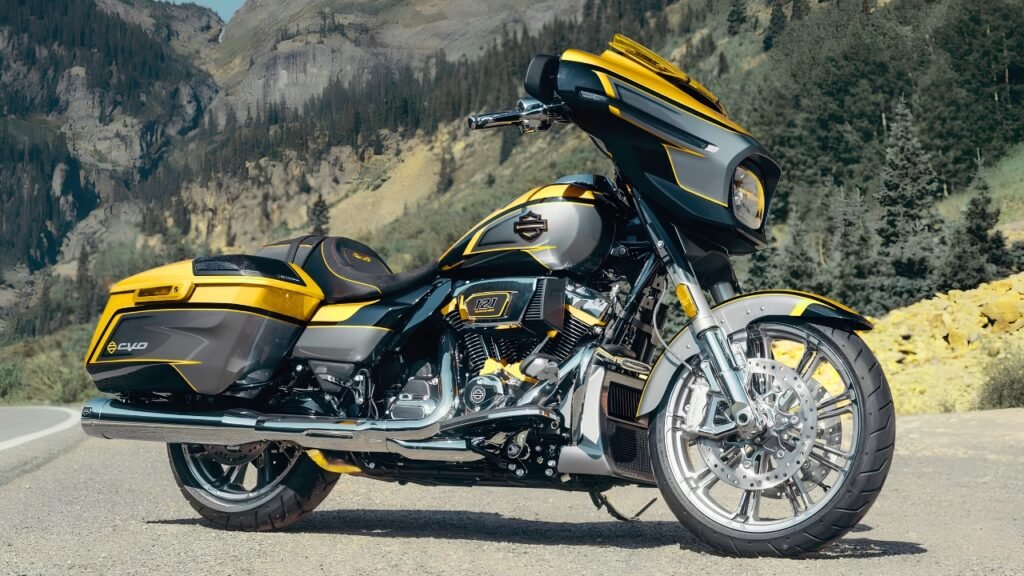
The Iconic Motorcycle Keeping America’s Riding Tradition Alive
Few machines have become as closely connected with American culture as the motorcycle. For generations, motorcycles have represented freedom, adventure, individuality, and the simple pleasure of being out on the open road. Among the many motorcycles that have contributed to this tradition, one iconic machine continues to capture the imagination of riders who value heritage as much as performance.
The appeal of an American motorcycle is not simply about its engine, styling, or sound. It is about the experience surrounding the machine. From long highway journeys to weekend rides through quiet country roads, motorcycles have created a unique relationship between people, machines, and the landscapes they travel through. That connection is one reason the American riding tradition continues to remain strong.
What Makes an American Motorcycle Truly Iconic?
An iconic motorcycle usually becomes more than a product. It develops a personality that riders can recognize immediately. Its design, mechanical character, sound, and history become part of its identity.
American motorcycles have traditionally embraced a distinctive approach to design. Rather than focusing only on lightweight construction or maximum speed, many have emphasized strong road presence, comfortable riding positions, generous torque, and styling inspired by earlier generations.
That philosophy has helped certain motorcycles remain recognizable even as technology has changed around them. Modern versions may include advanced electronics, improved braking systems, better suspension, and cleaner engines, but their visual character can still remind riders of the machines that came before them.
For enthusiasts, this combination of modern engineering and traditional character is particularly appealing. It allows them to enjoy contemporary reliability without giving up the feeling that attracted them to classic American motorcycles in the first place.
When Did the Motorcycle Become Part of American Culture?
The motorcycle became deeply connected with American life during the early decades of the twentieth century. As motorcycles became more accessible, they moved beyond being simple forms of transportation and became symbols of exploration and independence.
The post-war era played an especially important role in shaping motorcycle culture. Riders began forming clubs, organizing road trips, attending rallies, and developing their own communities. Motorcycles appeared in movies, magazines, advertisements, and popular music, strengthening their connection with youth culture and personal freedom.
Over time, the motorcycle became associated with different lifestyles. For some riders, it represented touring and discovering distant places. For others, it meant customization, mechanical craftsmanship, competition, or simply enjoying a Sunday ride.
This history created a powerful foundation for the motorcycles that followed. Every new generation inherited some part of that culture, while adding its own interpretation.
How Does Classic Design Continue to Attract Riders?
Motorcycle styling has changed dramatically over the decades, but classic design remains remarkably influential. Long fuel tanks, round headlights, exposed mechanical elements, chrome details, broad seats, and relaxed riding positions continue to attract riders.
Part of the reason is emotional. A traditional motorcycle can feel familiar even to someone who has never owned one. Its appearance may remind people of photographs, old films, family stories, or motorcycles they saw growing up.
Classic-inspired motorcycles also offer something different from modern sport-oriented machines. Their purpose is often less about chasing lap times and more about enjoying the journey. The rider sits upright, takes in the surroundings, and experiences the road at a more relaxed pace.
That slower, more deliberate style of riding has become increasingly attractive in an age dominated by fast technology and constant digital distractions.
What Keeps Riders Connected to the Open Road?
A major part of motorcycle culture is the feeling of movement. Sitting behind the handlebars creates an experience that is difficult to reproduce inside a car. Riders experience changes in temperature, road surfaces, smells, sounds, and scenery directly.
Long-distance riding can turn an ordinary trip into an adventure. A road that might seem unremarkable from behind a windshield can feel completely different on a motorcycle. Small towns, mountain passes, rural highways, and roadside diners become part of the journey.
This is why motorcycles are often connected with personal freedom. The idea is not necessarily about escaping responsibilities forever. Instead, it can mean having a few hours or days where the rider can concentrate entirely on the road ahead.
For many enthusiasts, that feeling is the real attraction.
When Does Heritage Meet Modern Motorcycle Technology?
Today’s heritage-inspired motorcycles demonstrate how old and new ideas can coexist. Manufacturers can preserve familiar styling while incorporating modern engineering underneath.
Fuel injection, electronic engine management, anti-lock braking systems, improved suspension, LED lighting, and modern manufacturing techniques can make contemporary motorcycles significantly different from their historical counterparts.
Yet technology does not have to erase personality. A motorcycle can offer modern safety and convenience while maintaining the proportions, riding position, and visual details that made earlier machines memorable.
This balance has become one of the defining characteristics of the modern classic motorcycle market. Riders can enjoy the emotional appeal of traditional design while benefiting from decades of engineering development.
How Does Motorcycle Community Keep the Tradition Alive?
Motorcycling has always been about people as much as machines. Riders gather at dealerships, local cafés, rallies, charity events, motorcycle shows, and informal weekend meetups. These gatherings create opportunities to exchange stories, maintenance advice, travel recommendations, and memories.
Experienced riders often introduce newcomers to routes, riding techniques, and motorcycle history. Younger enthusiasts, in turn, bring new ideas about customization, photography, travel, and social media.
This exchange between generations is important because traditions survive when they evolve. Motorcycle culture is not frozen in the past. It continues to change while preserving familiar values such as craftsmanship, independence, exploration, and community.
That makes the motorcycle more than an object sitting in a garage. It becomes part of a shared culture.
What Makes the Next Generation of Riders Important?
The future of American motorcycle culture will depend heavily on younger riders. Their preferences may differ from those of previous generations, but the fundamental attraction of riding remains surprisingly universal.
Some new riders may be interested in lightweight motorcycles and urban travel, while others may prefer touring, adventure riding, or classic cruisers. Electric motorcycles and new forms of propulsion may also become increasingly visible on American roads.
Despite these changes, the core experience remains familiar: getting on a machine, starting the journey, and discovering where the road leads.
The motorcycles of tomorrow may look different and use different technology, but they can still carry the spirit of the machines that came before them.
How Will This Iconic Tradition Continue?
The American motorcycle tradition has survived because it has never depended entirely on one model, one generation, or one style of riding. Its strength comes from its ability to adapt while retaining a recognizable sense of identity.
Iconic motorcycles continue to inspire riders because they connect history with personal experience. They remind enthusiasts that motorcycles are not merely machines designed to move people from one place to another. They can represent memories, friendships, exploration, craftsmanship, and moments of genuine freedom.
As roads change and technology advances, the motorcycle will continue to evolve. But the desire to experience the road directly is unlikely to disappear.
That is ultimately what keeps an iconic motorcycle relevant. It carries pieces of the past into the present while giving every new rider the opportunity to create a story of their own. The machine may be built differently today, but the invitation remains the same: start the engine, find the road, and keep riding.
